
Why do we need to build an emergency fund from $0? Because life can sometimes bring unexpected problems. Your car may need repair, and you may lose your job, or a medical bill may come suddenly. At such times, an emergency fund can help you without taking loans or using credit cards.
If you are starting with no savings, do not worry. Everyone starts somewhere, and you can slowly build an emergency fund by taking small steps & saving regularly.
What is an emergency fund?
It is money that is kept aside for unexpected expenses. (What’s an Emergency Fund)
Keep Some Money Ready for Unexpected Problems
An emergency fund It does not for shopping, holidays or normal daily expenses.
You can use it for things like
→ losing your job
→ Medical expenses
→ car repairs
→ home repairs
→ unexpected travel for a family emergency.
Saving some amount of money gives you peace of mind. When something goes unexpected, you can use your savings instead of becoming worried about where to get money. Start saving even when money is scarce.
So, many of the people think that they should earn a lot of money before they want to start saving. But you do not need to wait for that when your money is limited; saving becomes even more important because an unexpected expense can create many problems. Without savings, you may have to depend on credit cards or loans, which can create more financial stress later.
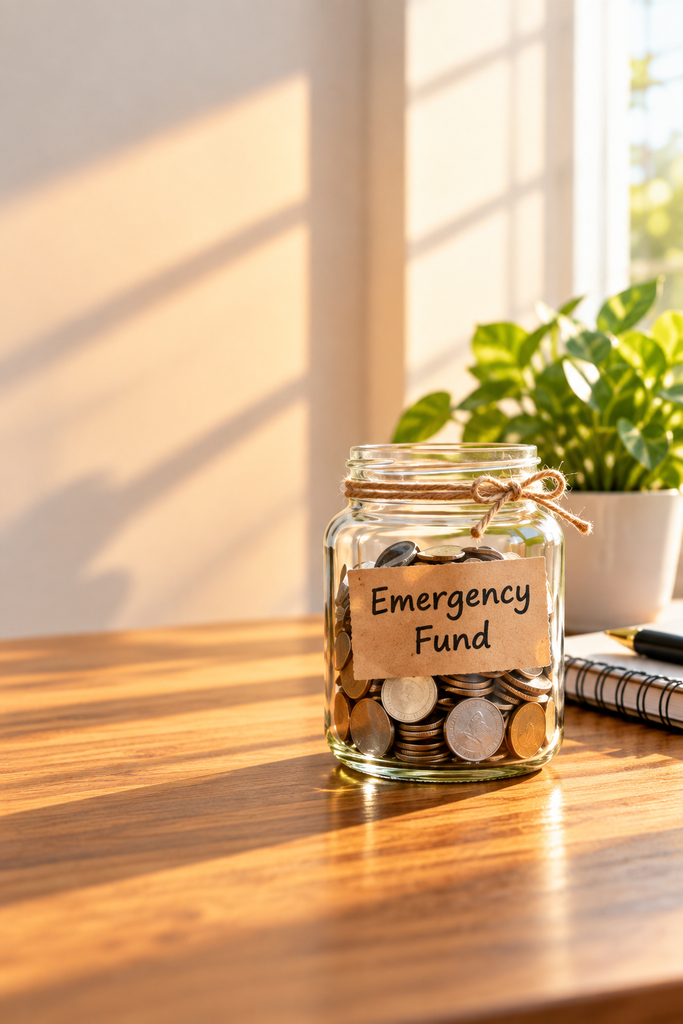
How to save an emergency fund from $0
Once you have decided to save an emergency fund, look at your monthly expenses first.
For example, if your essential monthly expenses are $2,400:
$2,400 × 3 months = $7,200
$2,400 × 6 months = $14,400
You do not have to save this whole amount immediately.
You can follow these steps:
1. First target: $500
2. Next target: One month of expenses
3. Long-term target: three to six months of essential expenses. (How to Start an Emergency Fund)
How long will it take? At $25 a week, $500 takes about 20 weeks. At $50 a week, one month of expenses ($2,400) takes about 48 weeks.
Two Simple Formulas
- Target = essential monthly expenses × number of months
- Weeks to reach it = target ÷ amount you save each week
| Monthly essentials | $500 starter | 1 month | 3 months | 6 months |
| $2,000 | $500 | $2,000 | $6,000 | $12,000 |
| $3,500 | $500 | $3,500 | $10,500 | $21,000 |
At $50 a week, one month of essentials takes about 40 weeks on a $2,000 budget and 70 weeks on a $3,500 budget.
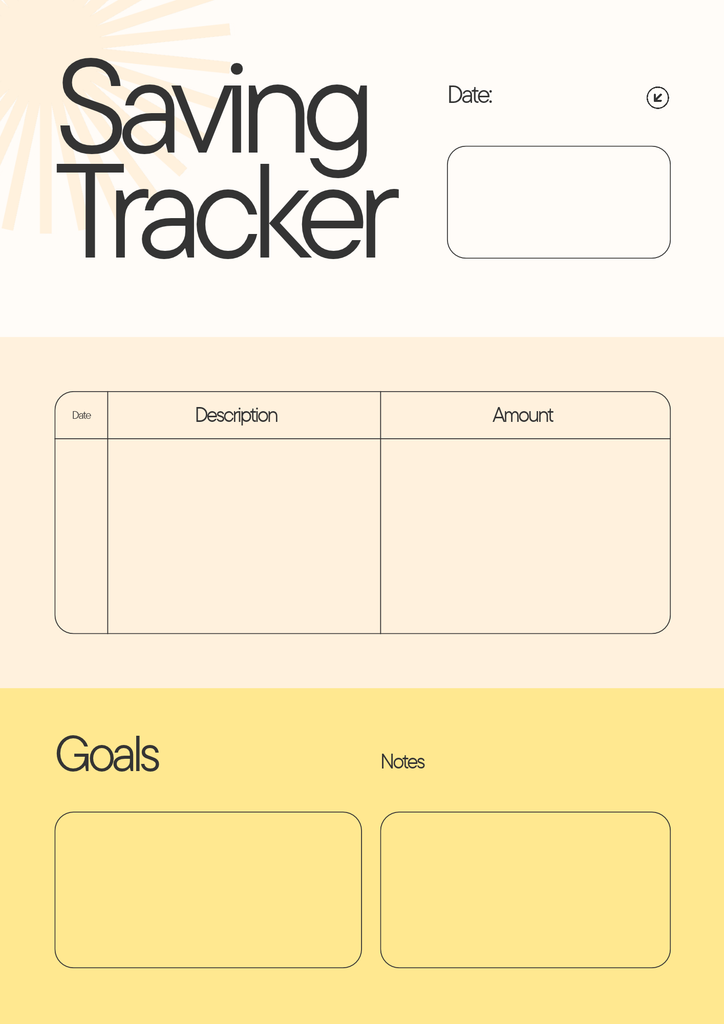
Start with a $500 fund.
Small weekly changes will achieve this goal.
• $10/week = $520/year
• $25/week = $1,300/year
• $50/week = $2,600/year
• $100/week = $5,200/year
Stick with one of these strategies; you can reach your budgeting goal from 0.
Step 1: Begin with a small & realistic target.
Make sure not to try to save three months of expenses in one day. That may feel impossible and can make you give up. Instead, choose a small goal such as $500; a small & achievable goal can motivate you to continue saving.
Step 2: Keep your savings separate.
Keep your emergency money in a separate savings account instead of keeping it with your regular spending money.
This helps you in two ways:
→ You will be less likely to spend the money by mistake.
→ It will be easier to see how much you have saved.
Many banks can offer savings accounts with no fees. Look for an account where your emergency money is easy to access but separate enough that you do not use it for daily spending. In the U.S., deposits at an FDIC insured bank are insured up to $250,000 per depositor, per bank, per ownership category, so an emergency fund of this size is protected if the bank fails.
Step 3: Find small ways to save money.
→ Even when your budget is tight, you can usually find small amounts of money to save.
Try these simple ideas:
→ Check your subscriptions & cancel services you rarely use.
→ Make small changes, such as making coffee at home instead of buying it every day.
For more ideas, see 15 simple ways to save money
These small savings can slowly help your emergency fund grow without disturbing your regular budget too much.
Step 4: Make saving automatic.
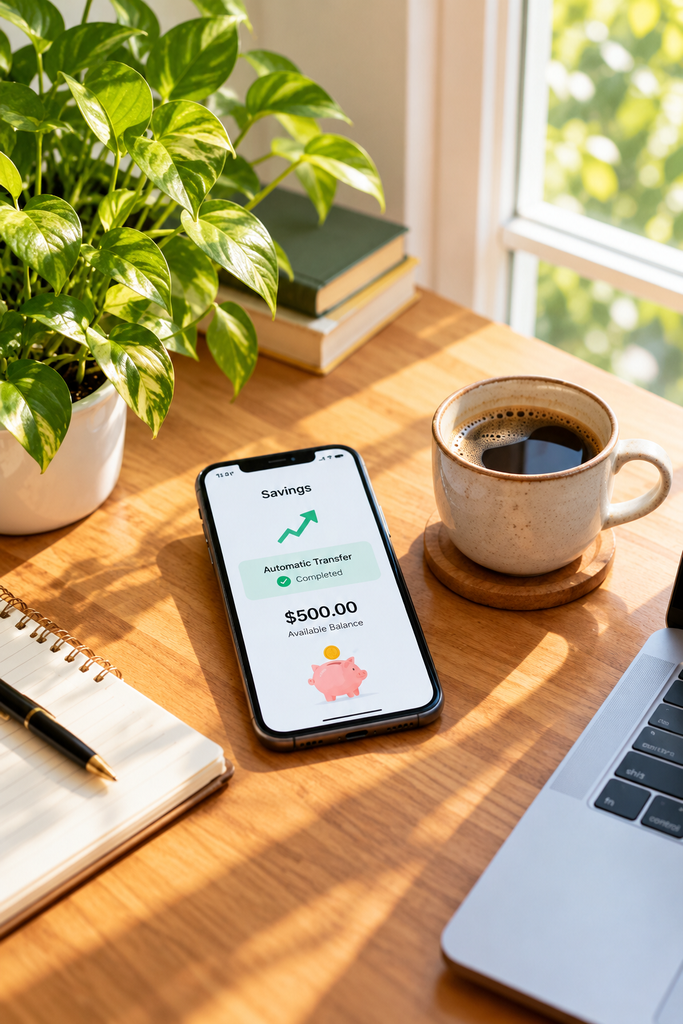
One easy way to build your emergency fund is to make saving automatic; you can set up an automatic transfer from your checking account to your savings account whenever you receive your money.
Even a small amount, such as $10 or $50 each payday, can help your savings grow faster than you expect.
When saving happens automatically, you do not have to think about it every time. The money is saved before you get a chance to spend it somewhere else.
Step 5: Keep track of your progress.
You can use a simple method to see how your savings are growing.
For example, you can use:
→ One notebook to write your savings total every week.
→ Simple free budgeting app.
→ A simple spreadsheet.
Try a saving chart or a jar with a goal line. When you see your savings growing, even slowly, it can motivate you to continue. (Easy steps to build an emergency fund)
Avoid these common saving mistakes:
→ If you use your savings for an emergency, start rebuilding it again.
→ Do not wait for extra money. Save a small amount regularly.
What you can do after reaching your first goal:
When you reach your first target, such as $500 or $1,000, you can choose what to do next.
→ Keep saving towards a bigger target you can work towards, one month or three months of expenses.
→ Work on other financial goals You can focus on paying debt faster or investing while keeping your emergency savings untouched.
Anyway, reaching your first goal is a good step because now you have some money ready for unexpected situations.
Your small savings can make a big difference.
Even saving at least $10 a week can become a bigger amount over time. So, do not wait for the perfect time. Start today with what you can save & keep moving forward.
Debt or Savings First?
Many people build a small starter fund first, then pay down high-interest debt. Your situation may differ, so ask a qualified adviser if you are unsure.
Related Reading
- How to Stay Budget Motivated: 10 Simple Tips for Beginners
- 15 Simple Ways to Save Money on Everyday Purchases
- Learn the 50/30/20 Budgeting Rule
Sources and Further Reading
- Federal Reserve, Survey of Household Economics and Decisionmaking (federalreserve.gov)
- FDIC, Understanding Deposit Insurance (fdic.gov)
Disclaimer: This article is general information only. It is not financial, legal, or professional advice.