
Saving money does not mean you have to stop enjoying everything. Sometimes, you need to cut the very small things that reduce money from your pockets. Often small changes help you to save more money without anything missing. (Best Budgeting Apps of 2026 that track your savings)
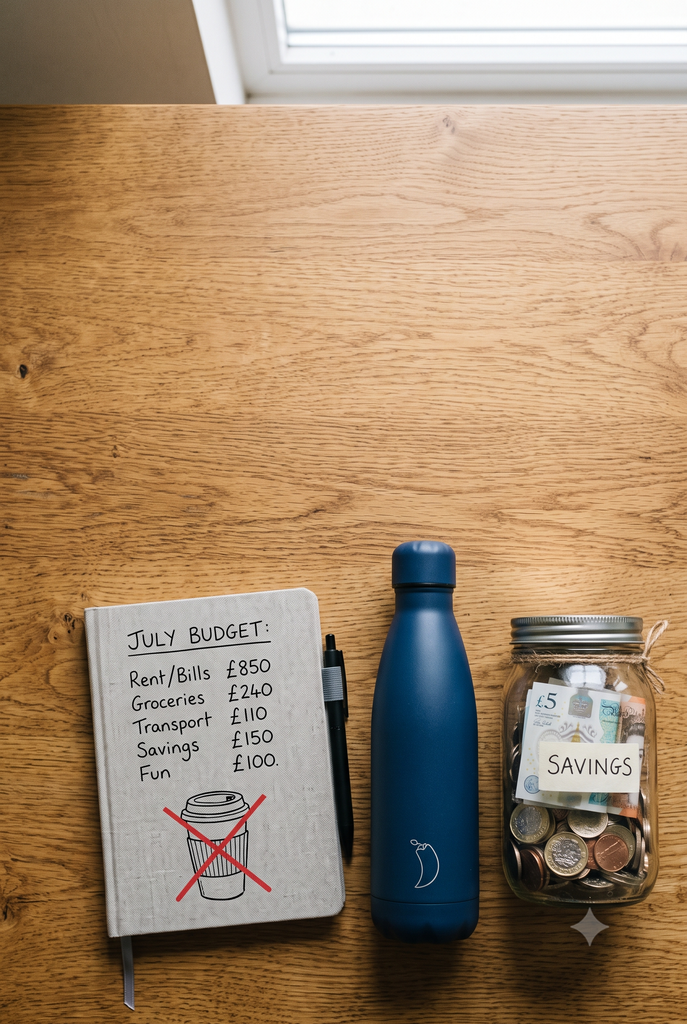
1. Carry your own water bottle.
Buying a water bottle every day may seem like a small expense, but it can increase your spending over time. Instead, carry your own reusable water bottle; it saves money and reduces plastic waste.
2. Make coffee at home.
Buying coffee every day can become costly. Instead, try to make coffee at home. You can still enjoy your favorite coffee while spending less money.
3. Cancel Unwanted Subscriptions
Check all your subscriptions and memberships; from time to time, if you are not using any of them, cancel them and save that money. You can also look for cheaper alternatives before paying for new service. This includes stream services. keep one at a time and change when you finsh the show. (How to Cancel Unused Subscriptions and Save Money Every Month)
4. Try cheaper cleaning products.
Branded cleaning products are more expensive than the same generic cleaning products. In many cases, cheaper products can also do the same job. So, there is no need to always choose an expensive brand.
5. Skip extra warranties for small items.
For low-cost electronics or appliances, an extra warranty may not always be useful. Sometimes, replacing the item can cost less than paying for the warranty.
6. Avoid buying clothes without planning.
Avoid buying clothes just because they look attractive at the moment. Try to buy fewer clothes that are good quality, comfortable, and useful. This can help you save in the long run.
7. Reduce small tips and delivery items.
Delivery item charges, service fees, and small tips can make food much more expensive. Cooking at home a few more times each week can help you save a lot of money and can also be good for your health.
8. Ask and Buy Generic Medicines.
Generic medicines can often cost less than branded medicines while having the same formula. Before buying them, ask a pharmacist about suitable options and choose what is appropriate. Always listen to your doctor’s or pharmacist’s advice.
9. Stop paying for unused gym memberships and online programs.
If you rarely use your gym membership or online health programs, think about whether you really need them. You can try cheaper options such as walking, home workouts, or using pay-per-visit plans. (How to Build an Emergency Fund)
10. Use Reusable Products.
Buying napkins, paper towels, and other disposable items on a regular basis can cost more. Use reusable clothes, plates, and cutlery whenever possible to save money.
11. Avoid impulse buys at checkout.
Some small items can tempt you easily, so before buying the items you really need, ask yourselves if you really need them or not.
12. Do Not Upgrade Your Phone Every Year.
You do not need a new phone every year. Your current phone is working well; continue using it for a longer time. This can save a good amount of money.
13. Purchase whole healthy fruits and vegetables.
Pre-cut sealed fruits and vegetables are usually more expensive than normal ones, and you often pay much more per pound. Buying whole fruits and vegetables saves your money.
14. Borrow other than buying.
You can easily borrow and use free resources like libraries, audiobooks, magazines, and free movies. Check before you buy or subscribe.
15. Buy Regularly Used Items in Bulk.
Buy things you use regularly; buying in bulk can sometimes save money. But only buy in bulk when you are sure you will use everything before it expires.
How to Start Saving from This List to Save Money
You do not have to change all your spending habits at once. Start with a few simple things and slowly make them part of your daily routine.
Step 1: Start with Two or Three Simple Items
Choose only two or three simple things from the list to begin with. Start slowly with small things to make them into habits.
Step 2: Add More Changes Slowly
Once your first changes become easy, choose one or two more. Small changes are easier to follow than changing everything at once. Move the money you save into a separate account
You need to track how much you can save.
If you make small changes, it will save you a decent amount.
Sample month example:
- Coffee at home on working days: $100 saved and maintaining consistency yearly; you can save nearly $1200 approximately
- Cancelling an unused subscription literally lets you save $10 per month
- $5-10 saved by reducing for every food delivery
- $15 saved by unwanted purchases or impulse buy
Total savings = $160-180 per month. This is not a final savings; this varies depending upon person to person.
Quick Savings Chart (Example Estimates)
| Change | Example | Rough monthly savings |
| Reusable water bottle | $1.50 bottle, 5 days a week | About $30 |
| Coffee at home | $5 café coffee, 20 workdays | About $100 |
| Cancel one unused subscription | One $10 to $15 plan | $10 to $15 |
| Skip delivery orders | 4 orders with $5 to $10 in fees and tips | $20 to $40 |
| Borrow from the library | A few books or movies not bought or rented | $10 to $25 |
These are examples, not promises. Prices differ by city and store, so use your own numbers.
Who These Tips May Not Suit
- Bulk buying: small homes and tight storage can make it wasteful.
- Cooking at home more: it takes time and energy, so start with one or two nights a week if that is hard.
Generic medicines: not every brand has a generic, so check with your pharmacist.
Aim for a 30-Day Challenge
- Rent or home payments
- Food
- Utilities
- Transportation
- Necessary bills
For 30 days, avoid unnecessary shopping, impulse purchases, takeout, and other optional spending. At the end of the month, check how much money you saved.
Compare Prices Before You Buy
Before buying, compare prices from a few stores. Check:
- Generic and branded products
- Different package sizes
- Price per unit
- Store discounts
- Available offers
The cheapest price is not always the best choice. Also check the quantity, quality, and how much you will use. Check weekly and monthly to buy a thing.
Final Thought
The goal is to enjoy life while using our money wisely.
Financial Disclaimer
This information is for general educational purposes only. It is not financial, investment, legal, or professional advice. Every person’s financial situation is different. Consider your own situation and, when needed, ask a qualified professional for advice.